A great lawn in Shakopee is not just about cutting grass short and hoping for the best. It is a cycle, shaped by our Minnesota summers, spring thaw, and the way soils can compact under traffic, footpaths, and even routine mowing. Over the years, I have seen the same pattern play out on different streets: the lawn looks fine in May, then weeds surge, bare spots appear by midsummer, and the whole property starts looking tired by fall. Usually, the fix is not one magic product. It is a steady plan that targets weed pressure, soil health, and the everyday details people tend to overlook.
If you want a lawn that actually holds up, you need a program. That is where weed control, aeration, and healthy growth connect. When they work together, you stop chasing problems and start building a thicker, more resilient turf that crowds out weeds and handles heat and wear better.
Why Shakopee lawns struggle more than they should
Shakopee sits in a region where seasons swing hard. Spring brings fast growth and also the moment when cool-season weeds wake up with the same enthusiasm as your grass. By summer, lawns can thin out due to stress, inconsistent watering, compaction from mowing patterns, and foot traffic around drives and entrances.
A compacted lawn is a quiet problem. It does not look dramatic at first. Instead, you notice the symptoms: grass that feels spongy on top but brittle underneath, areas that dry out faster, and spots where overseeding seems to disappear. Compaction restricts root growth and limits how well water and nutrients move through the soil. Even if you fertilize, the lawn cannot fully use it when the root zone is crowded.
Then there is the weed side of the story. Some weeds arrive because of seeds already present in the soil. Others move in through surrounding beds, wind-blown seed, or bare patches where turf thins. The key is that weeds do not usually “start” at random. They start where the lawn is weakest, and they get traction fast when the grass canopy is thin.
In other words, you do not just treat weeds. You strengthen the lawn so weeds have less room to win.
Weed control that respects the calendar, not just the package
Weed control is one of those topics where marketing can push people toward quick fixes. But lawns do not work on instant schedules. In Shakopee, timing matters because cool-season weeds germinate and grow in predictable windows, and the lawn’s own growth stage determines how well it can recover from stress.
There is also a major difference between surface weeds and root weeds. Crabgrass, for example, tends to show up when soil temperatures rise and summer conditions are favorable. Dandelions and similar broadleaf weeds behave differently, with their own life cycle and how they respond to treatments. If you treat broadleaf weeds at the wrong moment, you might still get a result, but the long-term control typically looks weaker.
The best weed control approach usually combines two things: prevent new weed establishment where appropriate, and address existing weeds in a way that does not set the lawn back. That is where a landscaping and lawn care service in Shakopee MN can make a real difference, because professionals track lawn growth stages, weather patterns, and application timing as a system, not as separate one-off chores.
I have also learned to watch for what people do right before they call. Many homeowners mow more aggressively when the lawn starts to look patchy, thinking it will reduce weed spread. Sometimes it helps, but other times it opens the turf canopy and makes bare soil more visible, which can encourage additional weed germination. The solution is not “mow less forever,” it is mowing height, frequency, and stress management tuned to the season.
A practical look at the common weed offenders
You will see a recurring set of weeds across many Shakopee properties. Dandelions are often the first ones people notice, mainly because they stay visible longer and their flowers stand out. Crabgrass and other annual grasses can appear when the lawn thins or when spring and early summer conditions line up just right. Clover tends to show up in lawns that are thin and sometimes in areas with soil conditions that are not ideal for dense turf growth.
Some weeds are more stubborn, not because they are impossible to remove, but because they exploit openings. If the lawn is thin, clover and broadleaf weeds can expand their foothold quickly. If compacted areas exist, those pockets become weed magnets.
That is why good weed control is usually paired with soil improvement. If you take weeds out but do not address the compacted ground or bare patches, you are basically clearing the stage without improving the set. The weeds come back, sometimes even stronger the next season.
Aeration: the turning point most lawns need
Aeration is one of the most effective tools for healthy growth, especially when you see compaction, thin turf, or poor water infiltration. Many homeowners delay aeration because it feels like an “extra step.” It is an extra step, but it is also a foundational one.
When aerators pull plugs from the soil, they create channels for air, water, and nutrients to reach deeper layers. That helps roots grow into the space instead of sitting shallow and struggling. Aeration also gives you a better chance of successful overseeding because seed and soil contact improves where plugs come out.
In Shakopee, lawn traffic is a real factor. Even routine mowing can compact edges, and kids running across the same patch every afternoon can do more damage than people realize. If you have a dog that circles the same route, or a family that always uses the same pathway across the yard, compaction can build faster than expected.
Aeration timing also matters. Most lawns benefit from aeration in spring or early fall, depending on turf type and conditions. Cool-season grasses generally recover best when the heat is not extreme and there is enough growth period for the lawn to re-fill the holes and for overseeding to establish. If you aerate when the lawn is under heavy stress, you can get thin-looking turf temporarily, and the recovery may not be as strong.
What I look for before recommending aeration
Aeration is not one-size-fits-all. A perfectly healthy lawn that is lightly trafficked can sometimes get by with other steps for a season. But in many Shakopee yards, aeration pays off quickly when certain signs show up.
I often see these clues:
- Areas that stay damp after rain or, the opposite, dry out faster than the surrounding turf Grass that grows unevenly, especially along driveways, walkways, and common foot traffic routes Thatch buildup that feels spongy, like a thick layer between soil and blades Poor germination when overseeding is attempted, seed sitting on top instead of taking root Fertilizer and watering that seem to “not stick,” with patchy color changes
When these show up, aeration helps break the cycle. It gives the lawn a physical reason to improve, not just a nutrient boost.
Overseeding and weed control, working in the same direction
People often treat overseeding like a separate project. They seed in spring, then spend the summer battling weeds. That approach can work sometimes, but it is more stressful for the lawn and more expensive in the long run.
A better strategy is aligning overseeding with weed control so you do not create competition at the exact time seed is trying to establish. If you are controlling weeds and also improving the seedbed, you reduce the chance that new seedlings get crowded out right away.
A key detail here is seed-to-soil contact. Aeration makes a noticeable difference. It is not just the hole for seed, it is the loosening of the soil surface. When you then topdress or ensure seed placement, the seedlings have a better start.
I also pay attention to mowing practices after overseeding. Cutting new grass too short can stress it, especially when roots are still forming. Keeping a slightly higher mowing height during establishment helps seedlings survive long enough to thicken.
Lawn mowing service Shakopee: the daily work that changes everything
Even if you handle weed control and aeration, mowing is still the regular rhythm that determines lawn density. A mowing routine that is too scalpy, too infrequent, or uneven can create the exact gaps weeds want.
A quality lawn mowing service in Shakopee MN usually does more than just pass with a mower. A professional crew pays attention to blade lawn mowing service Shakopee sharpness, mowing height consistency, and how they handle wet conditions. Dull blades tear grass instead of cutting it cleanly, and that can make turf look ragged and invite stress. Mowing when the lawn is too wet can also cause compaction and uneven cut patterns.
Then there is the pattern. If you always mow in the same direction, you can create subtle tracks over time, especially on sloped or compacted zones. Alternating patterns helps reduce that effect and keeps turf more uniform.
One thing I will say from experience is that “cutting it down to make it look neat” often backfires. Many homeowners see a quick improvement, but the lawn loses leaf area it needs for energy production and root development. In summer, that is when the lawn can thin and weeds can get daylight. If you want healthy growth, the mowing plan needs to support it, not fight it.
Watering and fertilizing without overcorrecting
Watering and fertilizing are closely linked to weed outcomes. Overwatering can feed weeds, under-watering stresses grass, and both create openings. The trick is consistent moisture that helps the grass roots without leaving the soil surface in a constant wet state where some weeds thrive.
Fertilizer choices and timing also matter. The lawn needs nutrients in the right growth stage, not just whenever a bag is on hand. A solid program typically spreads nutrition through the season in a way that supports turf thickness rather than pushing fast, weak growth that struggles later.
If you are doing the work yourself, it helps to be realistic. Many lawns get intermittent attention, then people try to “catch up” with aggressive feeding or frequent watering. That approach often produces uneven results. You might see greener strips and yellow patches, and weeds fill the gaps.
Professional lawn care reduces that chaos. It turns watering and fertilizing into a schedule guided by weather and actual lawn needs.
The role of landscape edging in keeping lawns clean and thick
A lot of homeowners treat landscape edging as purely decorative, but it impacts lawn health more than people realize. If you have unmanaged transitions between beds and turf, grass will creep into soil areas, beds will creep into turf, and weeds will find the seams.
When edging is installed and maintained correctly, it creates a clean boundary where mowing becomes easier and less damaging to flower beds and mulch. It also reduces the chances of soil being disturbed, which can expose new weed seeds. In practice, this means fewer weeds that “migrate” into the yard and less frustration trying to keep grass from overrunning beds.
This is where landscape edging Shakopee MN can come into play. A consistent edge line helps with long-term maintenance. When beds are stable and edges are crisp, weed control is more effective because there are fewer entry points.
If you also have landscaping design installation Shakopee projects on your property, it is worth thinking about how the yard transitions were planned. When you have a thoughtful layout, the lawn can be maintained without tearing up planting areas or constantly scalping the boundary.
Tree service in Shakopee: shade, roots, and debris
Trees change lawns in three major ways: shade, roots, and leaf drop. Shade affects how much sunlight grass receives and how well it can photosynthesize. Some grass types tolerate shade better than others, but even tolerant lawns thin over time if shade is heavy and prolonged. Tree roots also compete for water and nutrients, especially when they spread into the topsoil where lawn roots normally thrive.
Then there is the debris cycle. Leaves can smother turf if they are left to break down in thick layers, and fallen branches can create ruts and compacted areas. Those spots often become weed entry points, especially when turf is already stressed from shade.
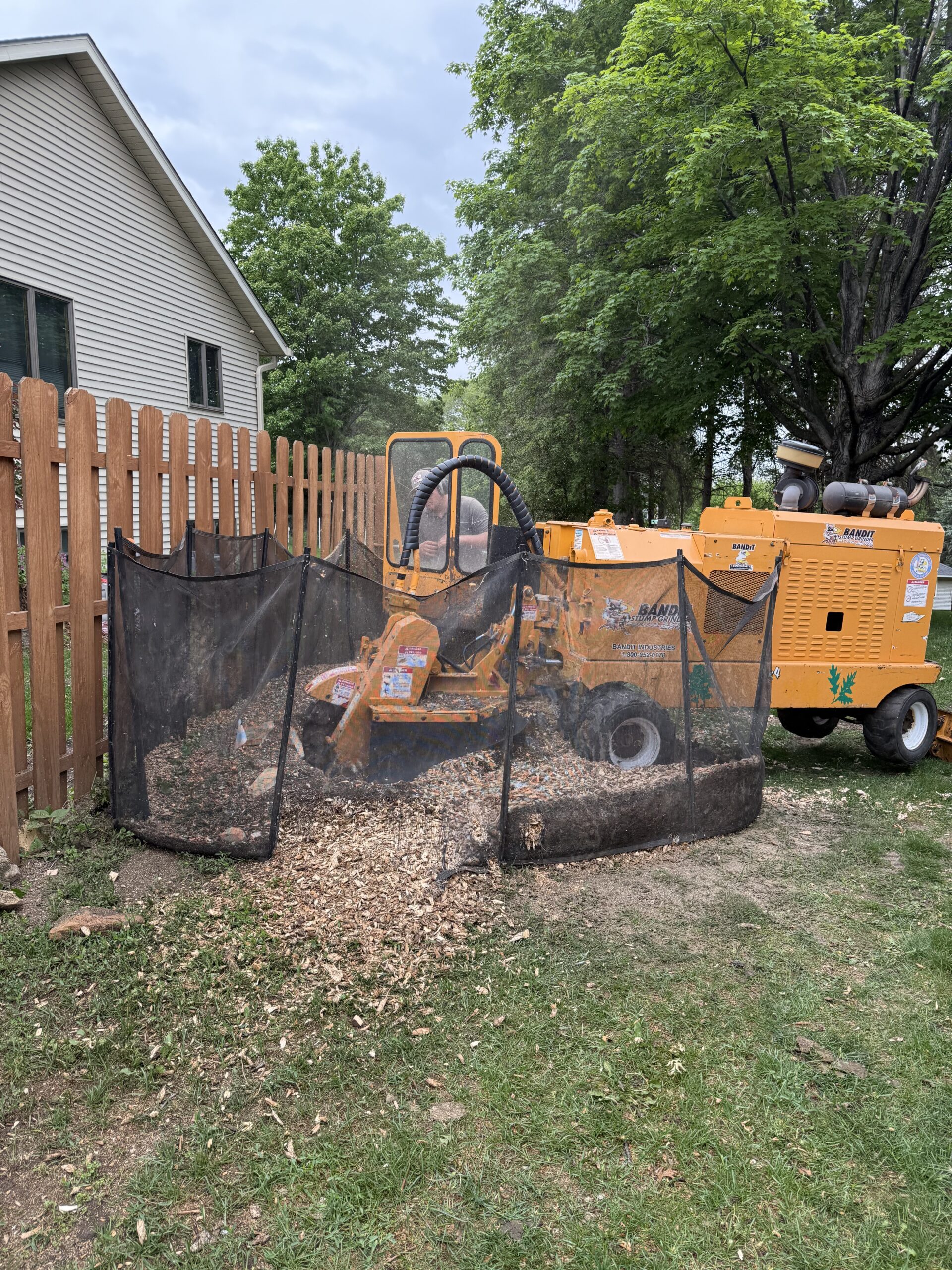
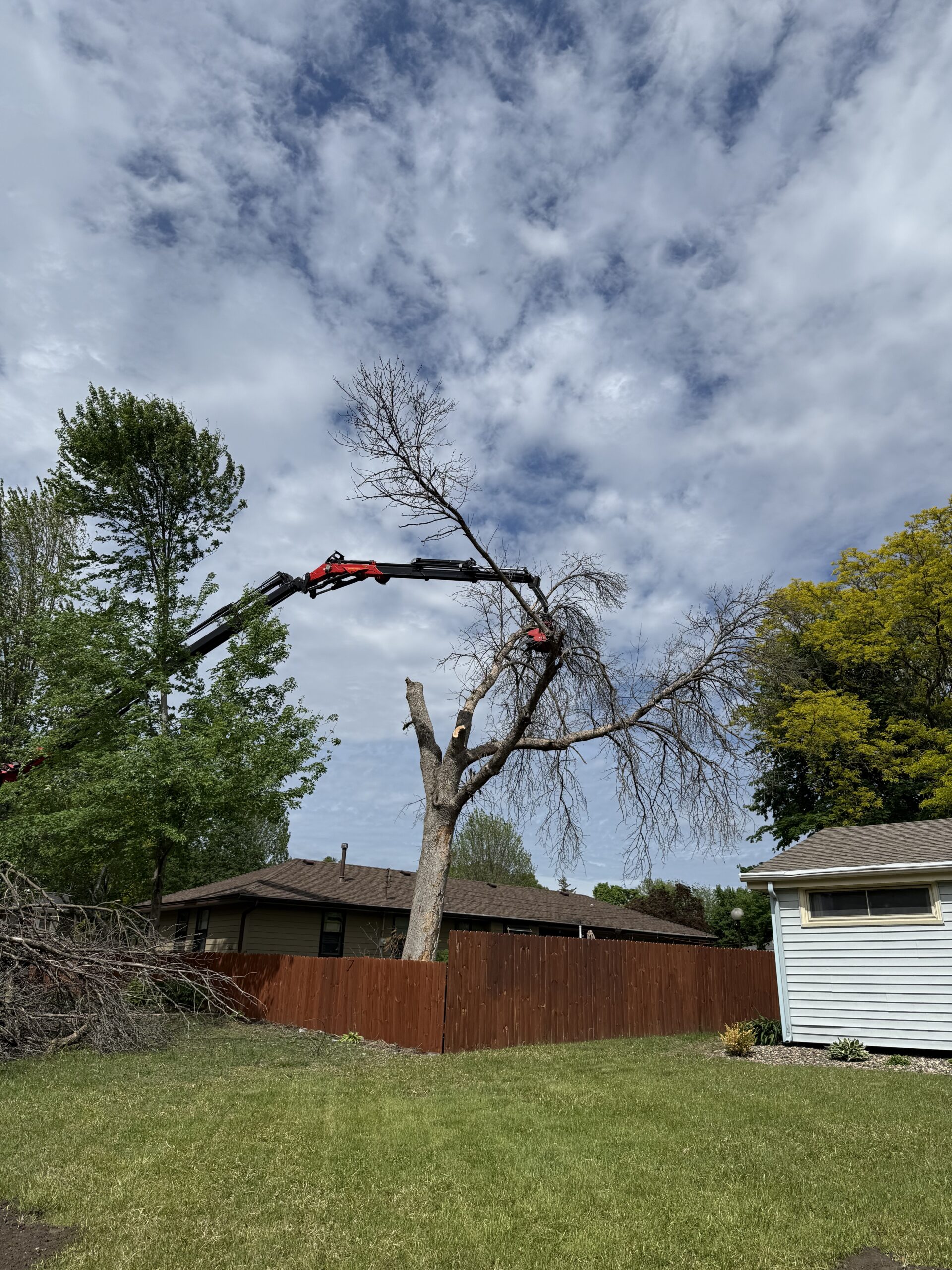
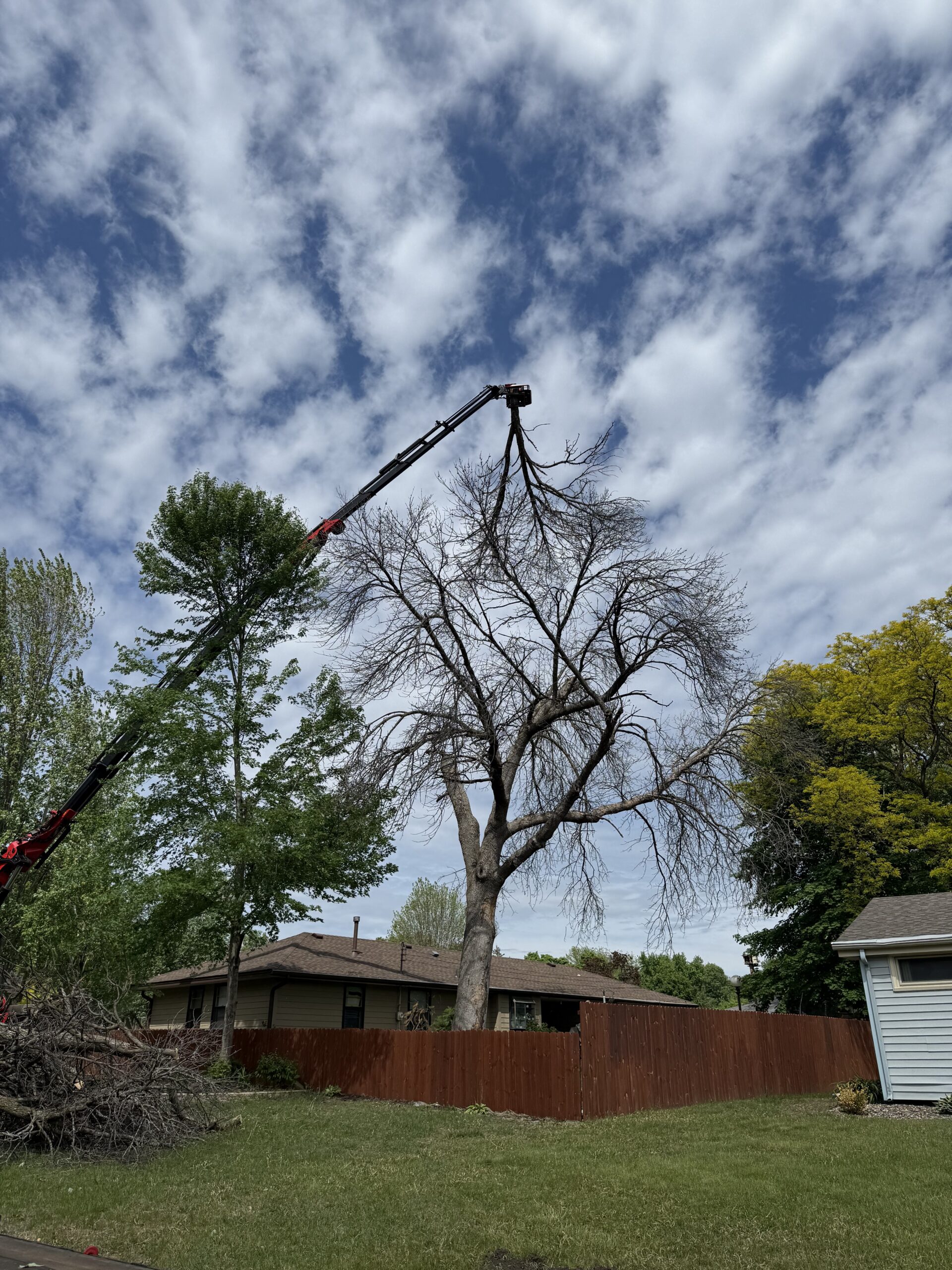
A tree service in Shakopee can support lawn health indirectly by managing canopy structure, removing problem branches, and keeping the lawn free of damage hazards. Even simple trimming that improves airflow and light penetration can help turf recover and remain thicker. The goal is not to remove trees, it is to make the lawn live better alongside them.
When to call it in, and when to keep control yourself
Homeowners sometimes wonder whether lawn care should be DIY or outsourced. In reality, many people do a hybrid approach. If you can mow consistently, maintain edging, and spot problems early, DIY works well for basic upkeep. But weed control, aeration scheduling, and soil-focused treatment plans are where professional input typically pays off.
The big decision point is time and follow-through. If you start a weed treatment and then skip the next step because it feels inconvenient, the lawn does not get the full benefit. Similarly, aeration and overseeding require planning. You want your lawn to recover during the right window, and you want to avoid stressful conditions at the same time.
A landscaping service in Shakopee MN can help you keep continuity. Instead of treating each issue separately, you build one plan that stays consistent across seasons.
A simple season-by-season way to think about it
You do not need a complicated calendar you never follow. You need a seasonal mindset that matches what the lawn is doing.
In spring, the lawn is ramping up. This is a time to watch for early weed activity and to prepare the soil. If overseeding is part of your plan, it often fits here when conditions support germination and recovery. You also want mowing height set with growth in mind, not just appearances.
Summer is when stress management matters most. Weeds can surge if the turf is thin and if watering becomes inconsistent. Aeration is usually not the first move in peak summer heat unless conditions are unusually favorable, because recovery depends on the lawn having enough time and energy.
Fall is where the lawn often gains ground. Aeration, overseeding, and finishing fertilization can support strong root growth and thickness going into winter. Fall is also when many homeowners notice weeds clearly because the lawn is no longer hiding problems with spring density.
Winter is not the time to do lawn work, but it is a time to plan. Pay attention to where the lawn struggled during the year. Those spots usually tell the truth about compaction, drainage, shade, and maintenance habits.
A few practical “real life” examples from Shakopee yards
One property I worked with had a nice looking lawn in early summer, then a patchy pattern formed around the driveway edge. The homeowner had been mowing regularly, and they had watered “sometimes.” The real issue was compaction along that border, caused by foot traffic and mower overlap. Aeration and targeted overseeding improved infiltration and seed establishment. After that, the lawn thickened enough that weeds stopped winning in that strip.
Another yard had heavy dandelion pressure. The homeowner tried a quick broadleaf solution twice in one season, but the lawn still looked spotty by August. When we adjusted the timing and paired it with a plan to build turf density, the next season was dramatically different. The weeds were not just “treated,” they were prevented from expanding into a weak canopy.
A third case involved shade. The lawn under a large tree looked thin every year. The homeowner kept cutting it, thinking it would encourage growth, but it just stressed blades that never got enough light. Trimming for light and airflow helped, and we focused on healthy turf establishment in more usable sun areas. Where the lawn could not fully compete, we treated the transition area like a design problem, not just a weed problem.
These examples share a theme. You get better results when you treat the lawn like a living system with constraints, not like a surface you keep cleaning.
How to choose the right landscaping and lawn care help
If you are shopping for a landscaping service in Shakopee MN, you want more than a quote. You want a team that asks questions and looks at your property as a whole.
Pay attention to how they handle diagnostics. A strong provider looks at soil condition, traffic patterns, shade, and current weed pressure. They also ask about your routines, because a service program still has to work with how you live and what you can maintain between visits.
A conversation should include what you want and what the lawn is realistically capable of. For example, a heavily shaded yard will not become a sun-baked show lawn without compromises. But it can still be healthier, thicker, and more uniform.
Here is a short set of questions I recommend asking before you commit:
- What turf issues are you seeing now, and what will we watch as the season progresses? How do you time weed control with mowing and fertilizing? When do you recommend aeration and overseeding, and why that window? Do you address soil compaction and drainage, or only surface weed removal? How do you handle the edges between lawn and beds, including landscape edging?
That kind of clarity usually means the plan will be more consistent and less guesswork.
The maintenance details people forget until they matter
The biggest lawn problems often come from small habits stacking up. Mowing slightly too low for weeks, letting clippings sit in thick piles, watering at the wrong time of day, and ignoring edge creep into beds. None of these are catastrophic alone, but together they create conditions weeds love.
There is also thatch management. If you keep mowing but never address thatch buildup in a compacted area, the lawn can become less responsive over time. Aeration helps, and in some situations overseeding and light topdressing support the transition from stressed turf to denser turf.
Even the mower height matters across seasons. Grass needs height to stay productive. When lawns lose leaf area repeatedly, they do not bounce back quickly, and weeds take advantage.
A short post-aeration approach that protects the investment
Aeration and overseeding can be a turning point, but only if the lawn gets protection right after. The week or two following aeration is when the lawn is reorganizing itself.
If you are working with a service, follow their guidance closely. If you are doing it yourself, treat this period like a window of establishment.
Here is a simple, experience-based approach to what usually helps:
- Keep mowing height slightly higher to reduce stress on new growth Water gently and consistently enough to keep the seedbed from drying out Avoid heavy traffic on aerated areas until turf knits back together Weed control should be coordinated, not sprayed randomly during establishment Keep expectations realistic for the first few weeks, then judge results as growth fills in
That patience is not passive. It is how you get the return on your aeration investment.
Bringing it all together for a thicker, weed-resistant lawn
A thick lawn is not a coincidence. It is the outcome of soil that allows roots to expand, mowing that supports turf density, and weed control that targets timing and opportunity.
In Shakopee, weed pressure and compaction go together more often than people realize. When you improve the root zone through aeration, and you align overseeding and weed control with the lawn’s growth stage, the lawn becomes more competitive. Weeds still exist in the environment, but they struggle to gain ground.
If you also manage the property edges through landscape edging, handle shade and debris with appropriate tree service, and keep mowing consistent through a lawn mowing service Shakopee homeowner, you set up the entire landscape for better outcomes. Then the lawn stops looking like a yearly project and starts behaving like a stable feature you can enjoy.
If you want, tell me what kind of weeds you are seeing and whether the yard is mostly sun or shade. I can suggest how an aeration and weed control plan would typically fit your situation, and what priorities usually come first in a Shakopee lawn.
JCJ Landscaping and Snow Removal
7 West Travelers Trail, Unit 391, Burnsville, MN(55337)
(952) 649-6655
[email protected]
Website: https://jcjpropertymaintenance.com